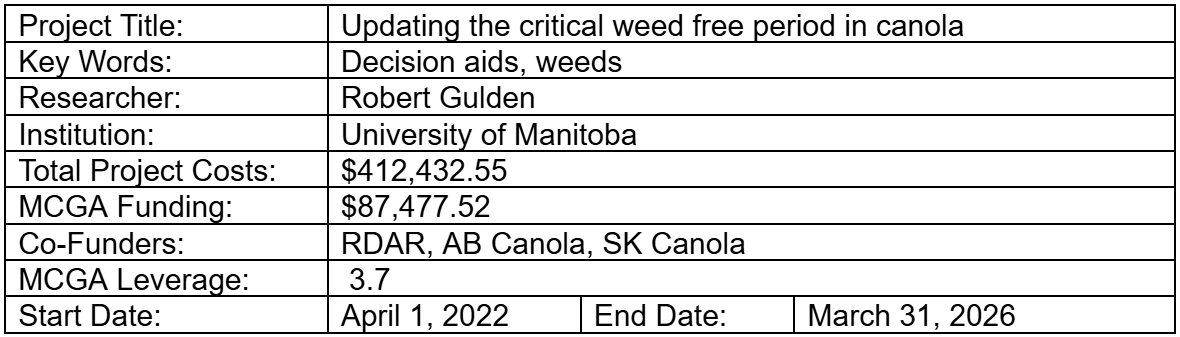
The Challenge:
The critical weed free period (CWFP) is the time during the crop’s growth stage when weeds must be controlled to prevent significant yield loss. Herbicide applications applied too early, too late or too frequently, can reduce return on investment of herbicides, cause yield loss, and accelerate resistance issues.
The current recommendations for the CWFP in canola were developed in 2001. Since then, canola hybrids have had improvements in early season vigor and herbicide options, at the same time farmers have begun pushing limits for seeding rates of canola. As a result, there was a need to examine the relationship between canola crop density, herbicide systems and the CWFP for current canola hybrids. .
The Project:
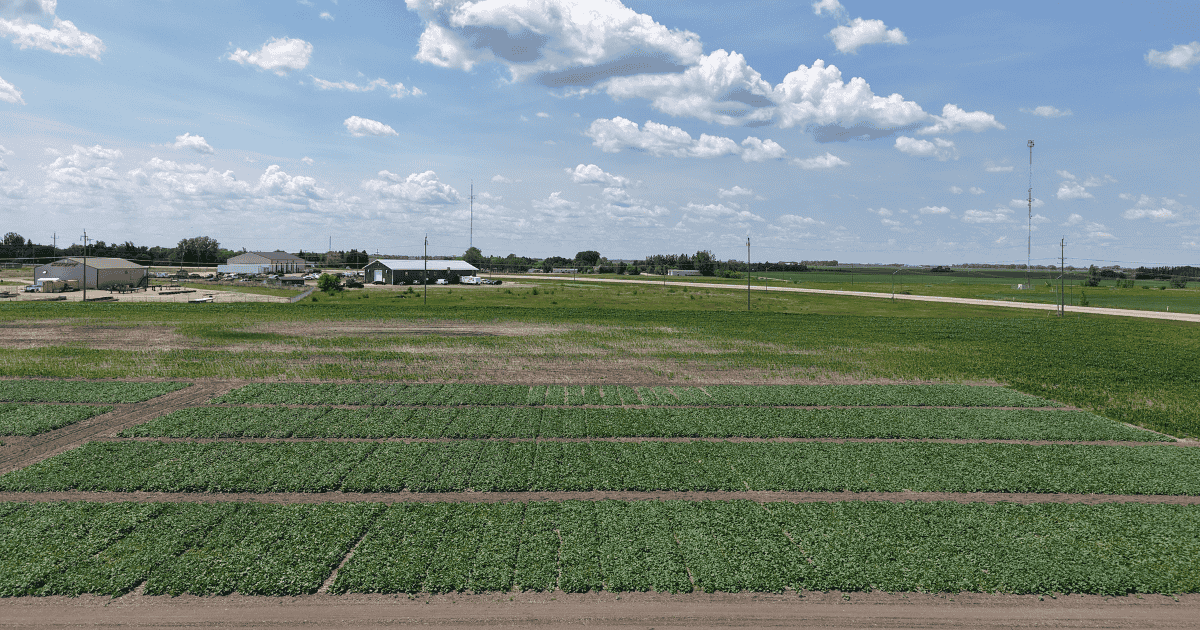
This project redefined the critical weed free period in canola through 15 trials conducted across Western Canada from 2022 to 2025.
Three canola plant stand densities were tested (3, 6 and 9 plants per square foot), using two herbicide systems; glufosinate and glyphosate. A stacked trait hybrid, tolerant to both herbicides, was used for this trial for consistency when testing herbicide timing and plant density. Weed measurements included emergence timing, species present, and density. Final canola seed yield was collected for all treatments.
The Results:
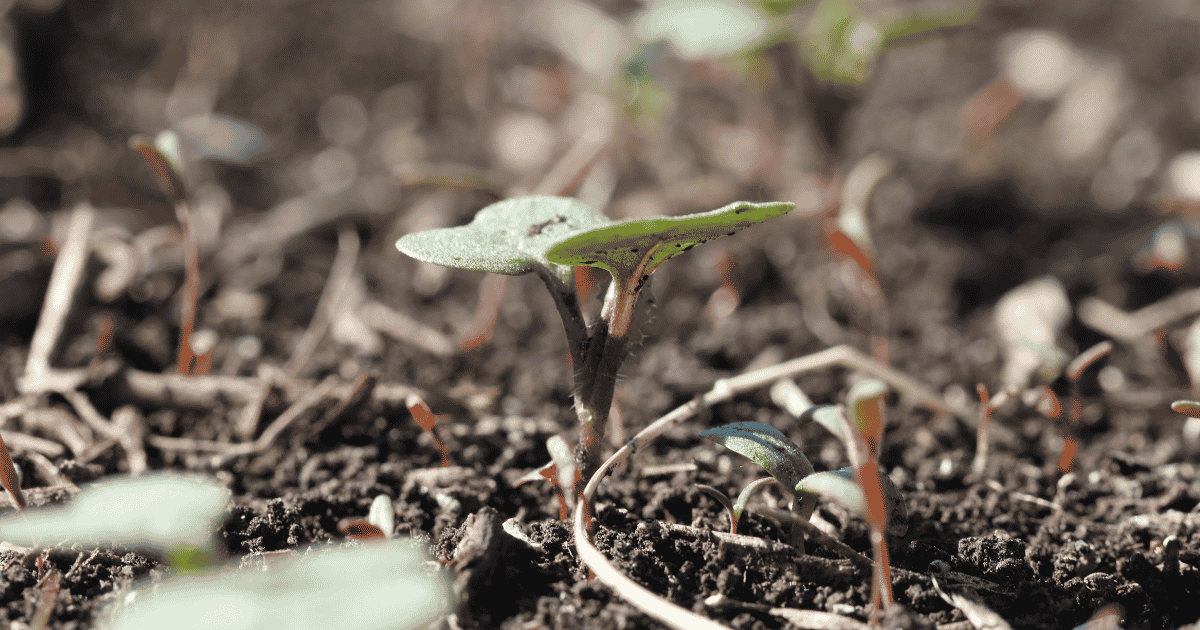
Overall, the average CWFP in canola is from emergence to 5- to 6- leaf stage.
Weed density had the greatest influence on the CWFP. The higher the number of weeds in one area, the longer the canola crop needed to be kept weed-free to protect yield. In areas where there was extremely low weed density, the canola crop required very minimal in-crop weed management to maintain yield. Highly competitive weed species, like creeping thistle, lengthened the CWFP even if the overall number of weeds were low.
A plant stand of 6 plants/ft2 provided the strongest crop competitiveness against weeds. A plant stand lower than 6 plants/ft2 had a longer CWFP by 1 to 2 leaf stages, meaning that the crop had to be kept weed-free for longer, up to the 7- to 8-leaf to maintain yield.
Differences were observed between glyphosate and glufosinate herbicide systems. Glyphosate requires earlier applications due to its slower activity. Meaning that, to achieve a similar level of weed control, glyphosate should be applied at an earlier growth stage compared to glufosinate.
Grower Benefits:
These results determine the optimal timing for herbicide applications in canola. It is important for canola under average growing conditions to be kept clean until the 5- to 6-leaf stage. These results also strongly reinforce the importance of a canola plant stand of 6 plants per square foot to maintain strong crop competitiveness. Differences between glyphosate and glufosinate application timing were observed, helping to optimize herbicide timing in both systems.
Visit the Canola Research Hub to learn more about this project.