Through the funding of research and financial support and partnerships with groups including the Canola Council of Canada, Prairie Pest Monitoring Network, Sprayers 101 and others, MCGA aims to help farmers make the most informed decision for their farms.
Click on the resources below to learn more about these major canola pests. For more information on a wider range of canola pests and production challenges please visit Canola Council of Canada’s Canola Encyclopedia.
The Prairie Pest Monitoring Network is a helpful resource for information on pests nationwide and is proudly sponsored by Manitoba Canola Grower in partnership with other organizations.
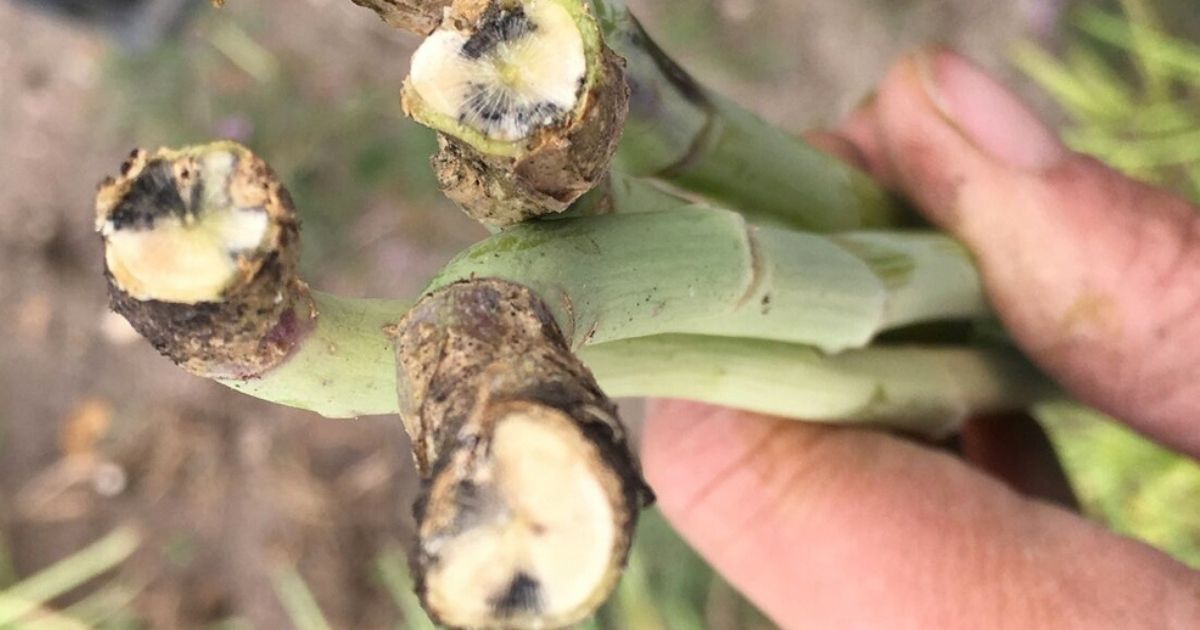
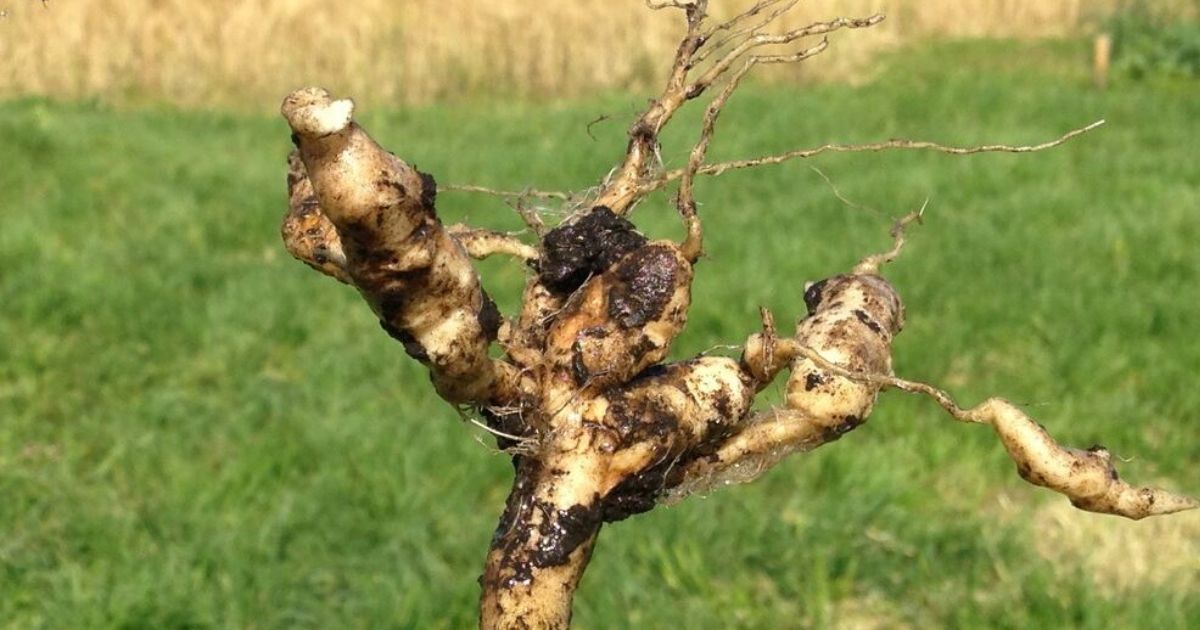
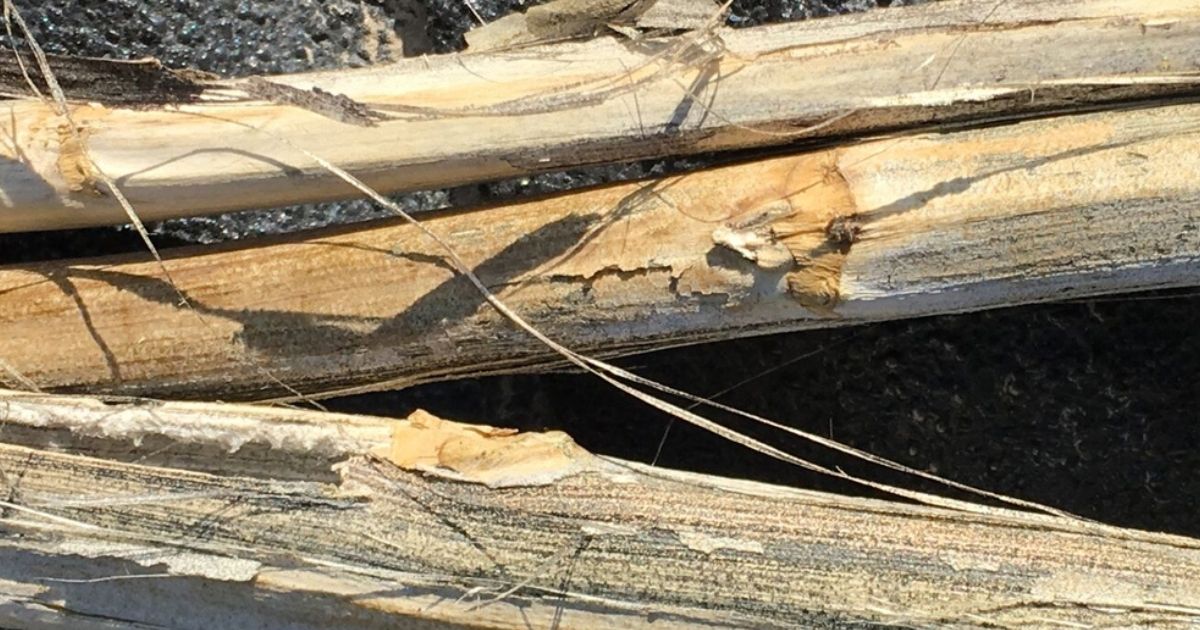
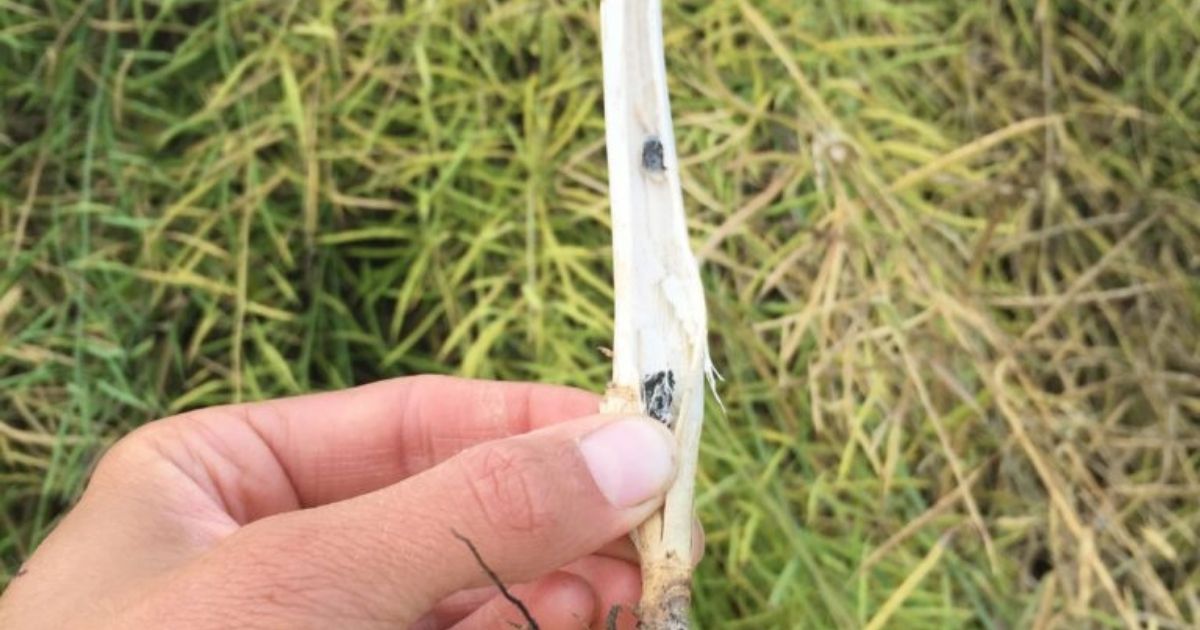
Verticillium Stripe, caused by Verticillium longisporum, is a soil-borne fungal disease, which primarily attacks canola and also other members of the family Brassicaceae.
The Canola Encyclopedia is your complete guide to growing canola in Canada.
Members: Get free Canola Diagnostic Services. Canola Diagnostic Services provide free diagnostic testing to help Manitoba canola growers identify and manage crop diseases.
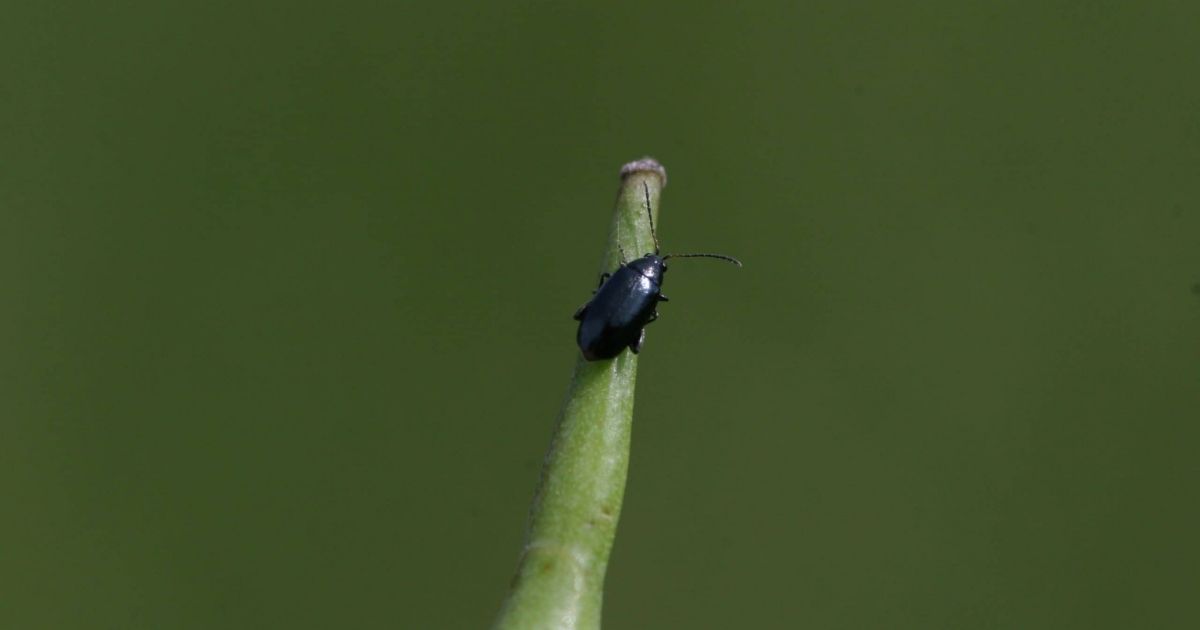
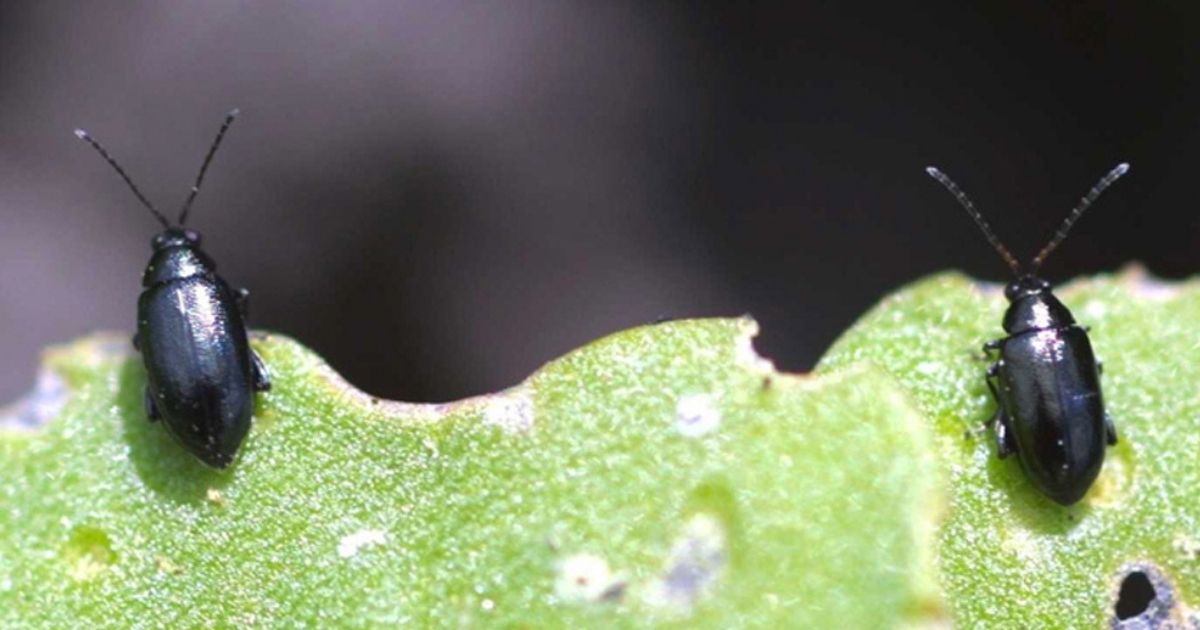
Flea beetles are potentially the most common insect pest of canola crops, and first attack plants in the seedling to early vegetative stages when they are most vulnerable.
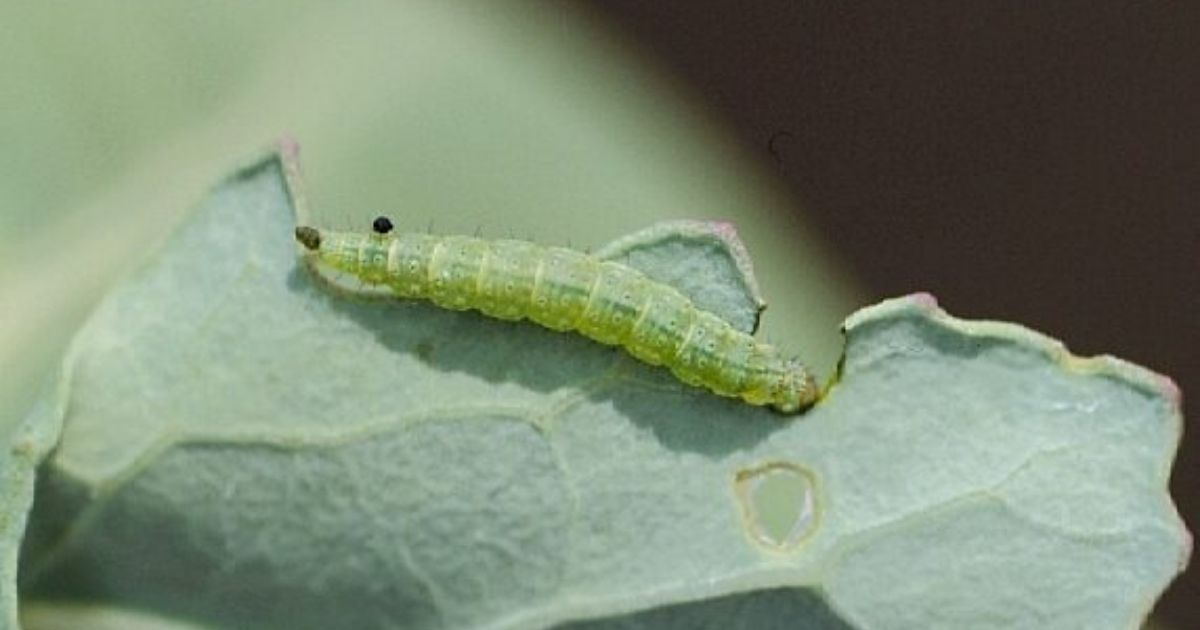
A common pest insect in canola, the diamondback moth adults blow in from the southern United States each spring and can cause varying amounts of feeding damage on green canola […]
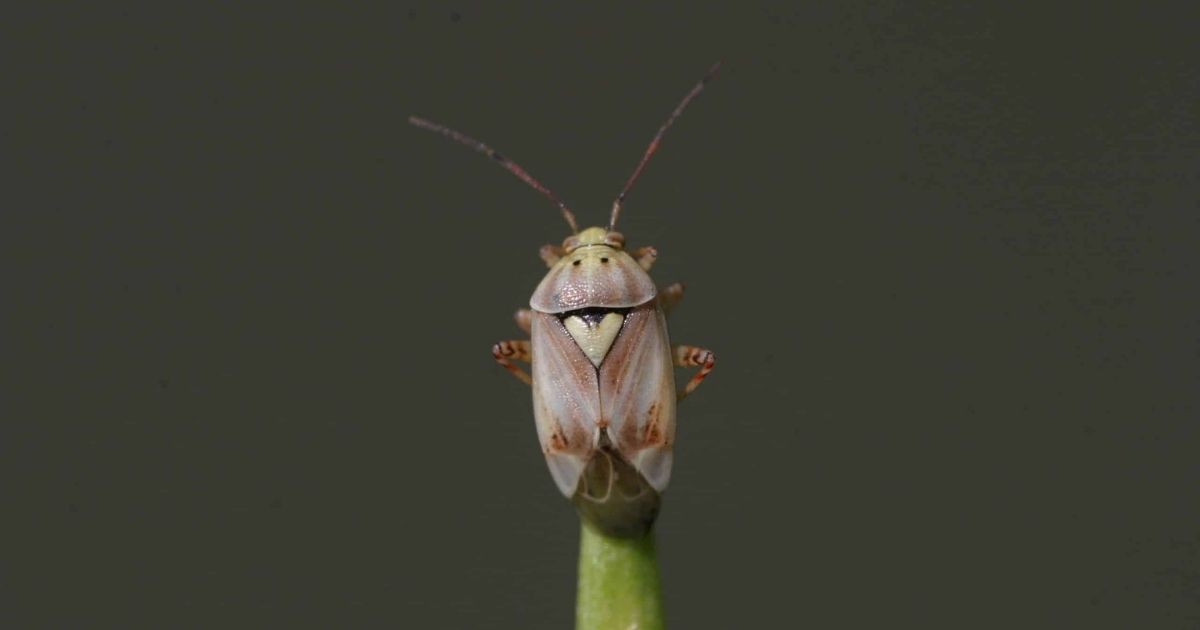
The lygus bug has piercing-sucking mouthparts which cause physical damage to the plant through their nymph and adult stage by puncturing the tissue and sucking plant juices.
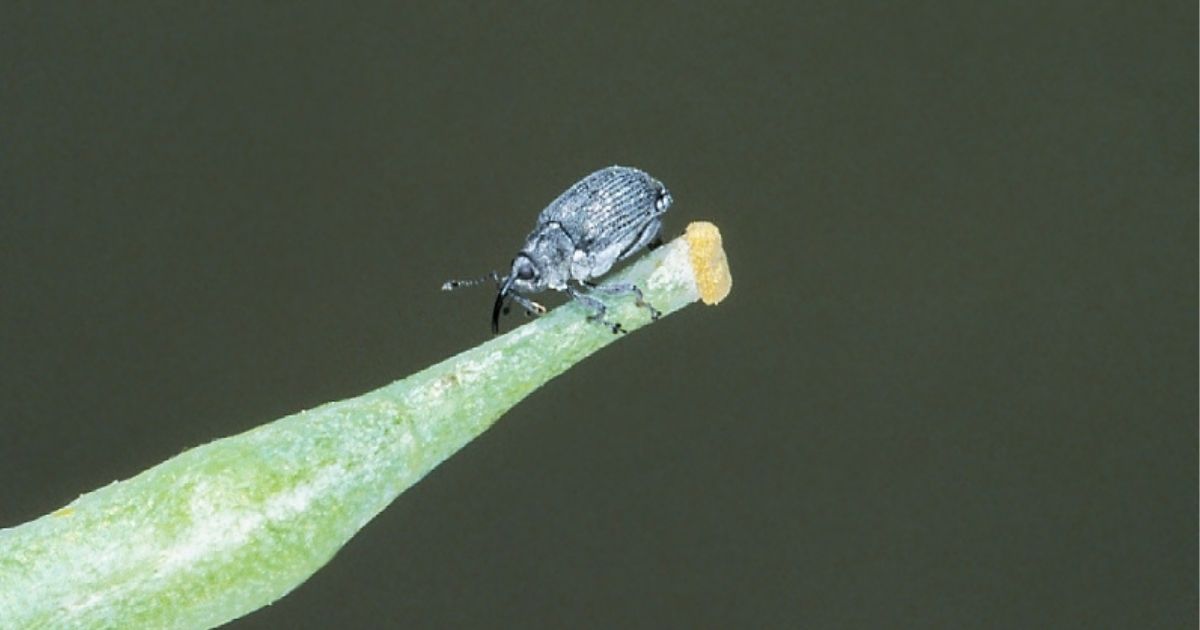
Cabbage seedpod weevil can cause considerable yield loss at the larval stage, and has continued to increase its distribution in the Prairies since being found in southern Alberta in 1995.
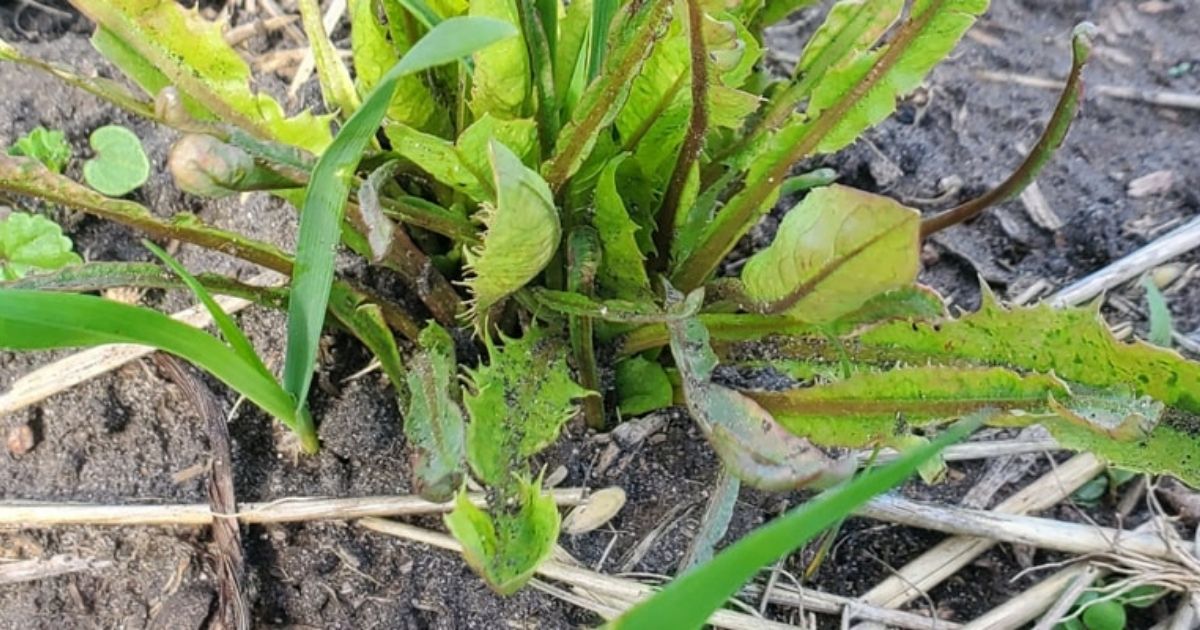
Weed control remains one of the most important mechanisms of yield loss in Western Canada.
Residual weed population shifts in Manitoba from 1978 to 2022.